

CONCENTRATION SERVICE COAGULATION DIAGNOSIS
ANALYZER REAGENTS APPLICATION
Blood clots are known as "silent killers." Many patients experience no obvious symptoms in the early stages, but once a clot breaks free, it can lead to life-threatening conditions such as pulmonary embolism and cerebral infarction. The following, based on medical knowledge, outlines the five most critical warning signs of blood clots to help you identify and intervene early:
1. Sudden unilateral limb swelling and pain
This is the most typical sign of deep vein thrombosis, particularly in the lower extremities. Symptoms include one leg appearing thicker than the other, muscle soreness with pressure, and worsening pain when walking or standing. In severe cases, the skin may appear tight and shiny.
Cause: When a blood clot blocks a vein, blood flow is blocked, leading to congestion and swelling in the limb, which in turn compresses surrounding tissue and causes pain. Unilateral arm swelling should be a sign of upper extremity venous thrombosis, a common condition seen in people who receive long-term intravenous drips, are bedridden, or sit for extended periods.
2. Skin Abnormalities: Redness and Localized Elevated Temperature
The skin at the site of the clot may develop unexplained redness, and upon touch, the temperature may be noticeably higher than the surrounding skin. Some people may also develop dark purple patches resembling "bruises" with blurred borders that do not fade when pressed.
Note: This symptom can easily be mistaken for insect bites or skin allergies, but if accompanied by swelling and pain, immediate screening for blood clots is necessary.
3. Sudden Dyspnea + Chest Pain
This is a core sign of pulmonary embolism and is an emergency! Symptoms include sudden shortness of breath and chest tightness, which are not relieved even by rest. Chest pain is often stabbing or dull, and worsens with deep breathing or coughing. Some people may also experience a rapid heartbeat and palpitations.
High-risk scenarios: If these symptoms occur after being bedridden for a long time or after sitting for a long distance during a long journey, it may be due to a blood clot in the lower limbs that has broken off and is blocking the blood vessels in the lungs. Call emergency services immediately.
4. Dizziness, Headache + Blurred Vision
When a blood clot blocks a blood vessel in the brain, it can lead to insufficient blood supply to the brain, causing sudden dizziness and headaches, which may be accompanied by blackouts, blurred vision, visual field loss, or a sudden decrease in vision in one eye. Some people may also experience stroke-like symptoms such as slurred speech and a crooked mouth.
Reminder: If middle-aged or elderly individuals, or those with hypertension or diabetes experience these symptoms, they should be screened for both blood clots and stroke to avoid delaying treatment.
5. Unexplained Cough + Hemoptysis
Patients with pulmonary embolism may experience an irritating, dry cough or cough up a small amount of white, frothy sputum. In severe cases, they may even cough up blood (sputum streaked with blood or fresh blood). This symptom can easily be mistaken for bronchitis or pneumonia, but if accompanied by difficulty breathing and chest pain, a high risk of blood clots is warranted.
Key Reminders
Groups at high risk for blood clots include those who are bedridden or sedentary for extended periods, those recovering from surgery, pregnant and postpartum women, obese individuals, those with hypertension, diabetes, or high cholesterol, and those taking contraceptive pills for a long time.
If any of these signs occur, especially in high-risk groups, seek medical attention promptly for vascular ultrasound and coagulation tests. Early intervention can reduce the risk of fatal outcomes. Daily prevention can be achieved by drinking plenty of water, exercising regularly, avoiding prolonged sitting or lying down, and managing underlying medical conditions.
BEIJING SUCCEEDER TECHNOLOGY INC.
КОНЦЕНТРАЦИЯ СЕРВИС КОАГУЛЯЦИЯ ДИАГНОСТИКА
АНАЛИЗАТОР РЕАГЕНТОВ ПРИМЕНЕНИЕ
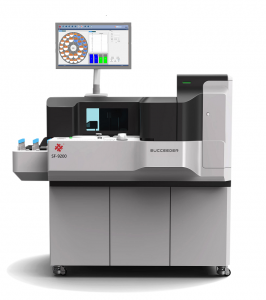
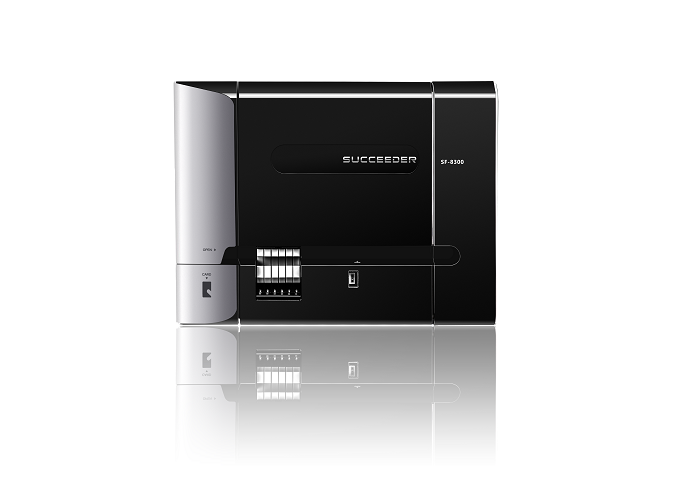
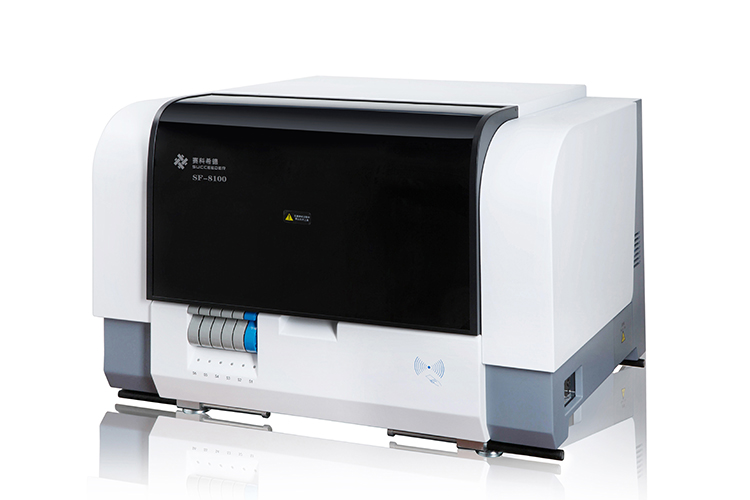
Beijing Succeeder Technology Inc. (stock code: 688338) has been deeply engaged in the field of coagulation diagnosis since its establishment in 2003, and is committed to becoming a leader in this field. Headquartered in Beijing, the company has a strong R&D, production and sales team, focusing on the innovation and application of thrombosis and hemostasis diagnostic technology.
With its outstanding technical strength, Succeeder has won 45 authorized patents, including 14 invention patents, 16 utility model patents and 15 design patents. The company also has 32 Class II medical device product registration certificates, 3 Class I filing certificates, and EU CE certification for 14 products, and has passed ISO 13485 quality management system certification to ensure the excellence and stability of product quality.
Succeeder is not only a key enterprise of the Beijing Biomedicine Industry Leapfrog Development Project (G20), but also successfully landed on the Science and Technology Innovation Board in 2020, achieving leapfrog development of the company. At present, the company has built a nationwide sales network covering hundreds of agents and offices. Its products are sold well in most parts of the country. It is also actively expanding overseas markets and continuously improving its international competitiveness.
 Business card
 Chinese WeChat